Live with Purpose.
Love with Abandon.
Eat with Passion.
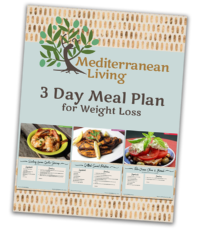 Our 3-Day Meal Plan eBook is a sampling of the 100+ recipes that are in our 10-week Mediterranean Diet Weight Loss Program.
Live with Purpose.
Love with Abandon.
Eat with Passion.
How to Start the
Mediterranean Diet
Watch this 10 minute video and you’ll be on your way!
Following the Mediterranean Diet has been shown to decrease the likelihood of every major disease including cancer, heart disease, diabetes and Alzheimer’s. If you are interested in eating this way, let me help you get started. I’ve been eating Mediterranean for 10 years and I’m never going back. — Bill Bradley, RD
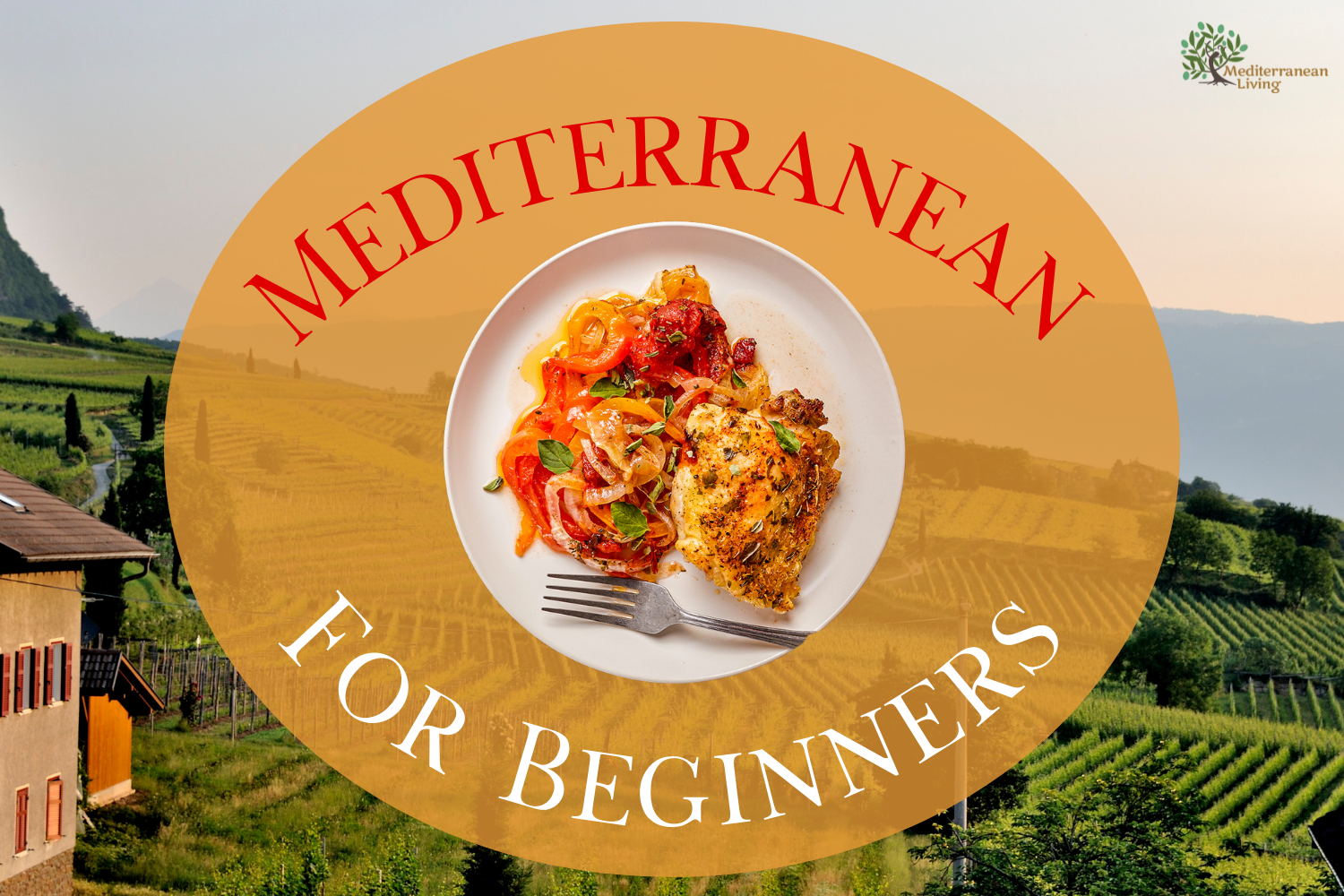
The Mediterranean Diet is a plant-focused diet centered around the traditional cuisine of people living around the Mediterranean Sea. The diet is fueled by olive oil as a healthy fat source and whole foods like fruits, vegetables and legumes. Generally, the Mediterranean Diet is a high fat, moderate protein, moderately high carbohydrate diet but the carbohydrates don’t come from processed foods, but instead whole grains, beans, fruits and vegetables. Read more in our Mediterranean Diet for Beginners Guide.
Some Featured
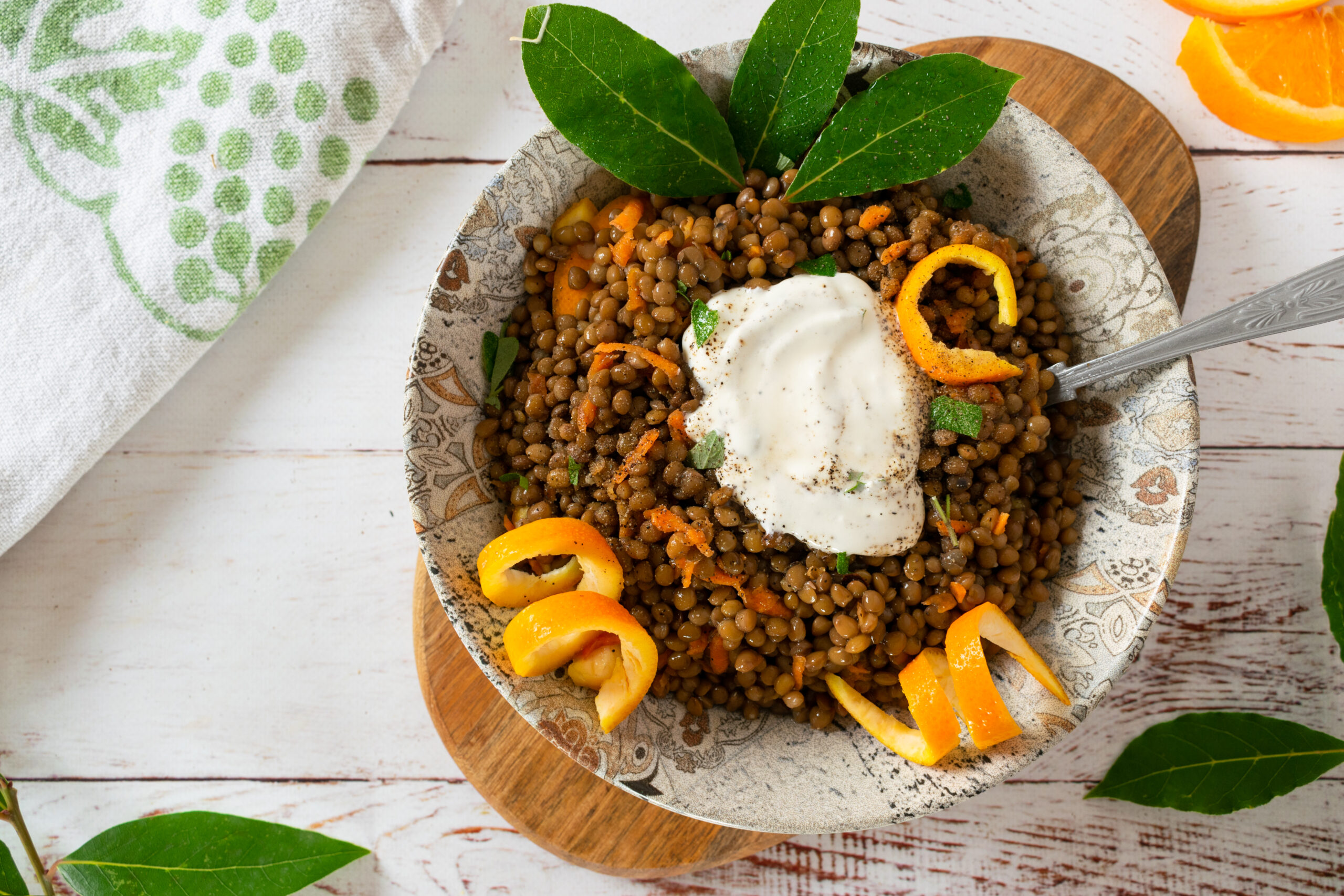
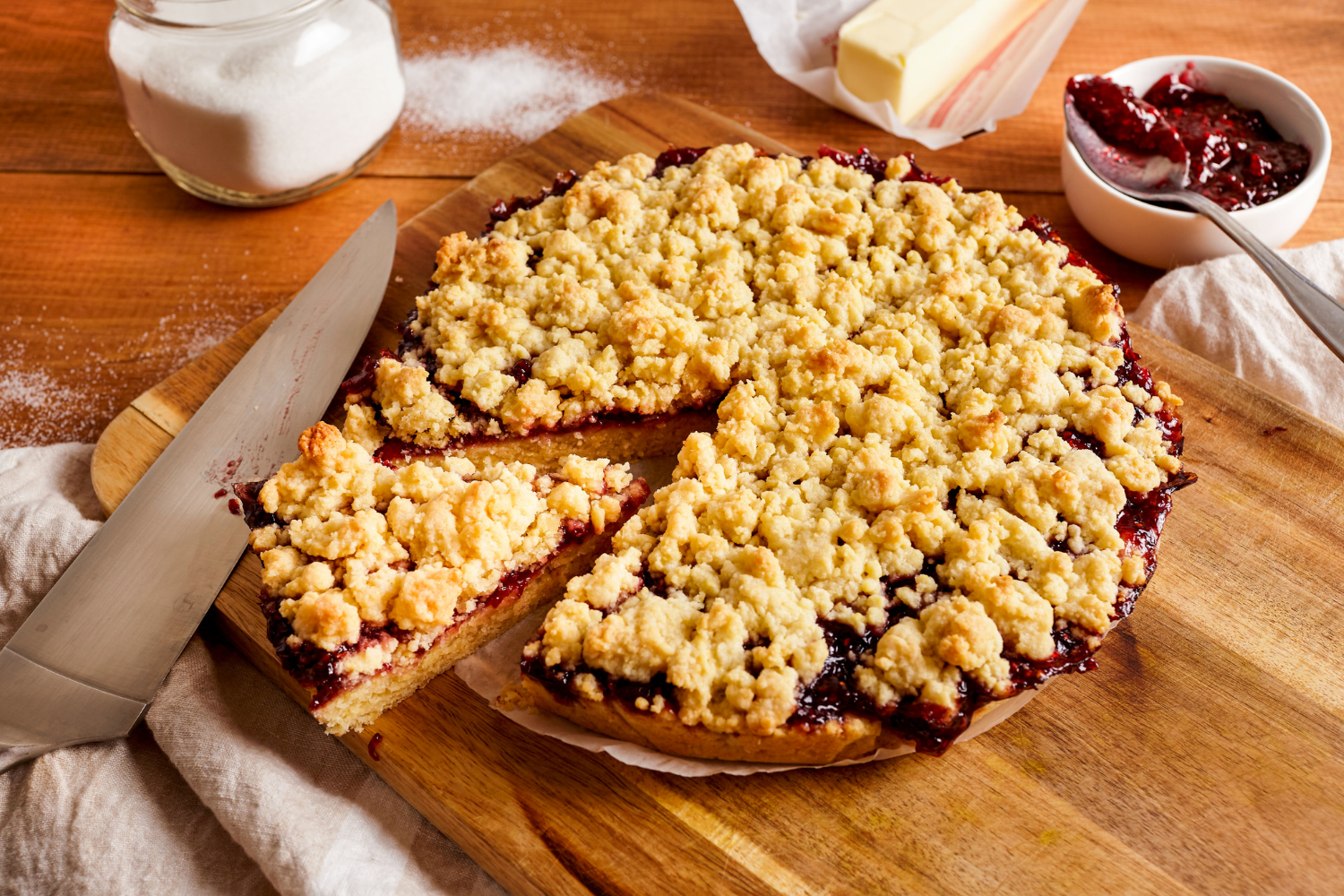
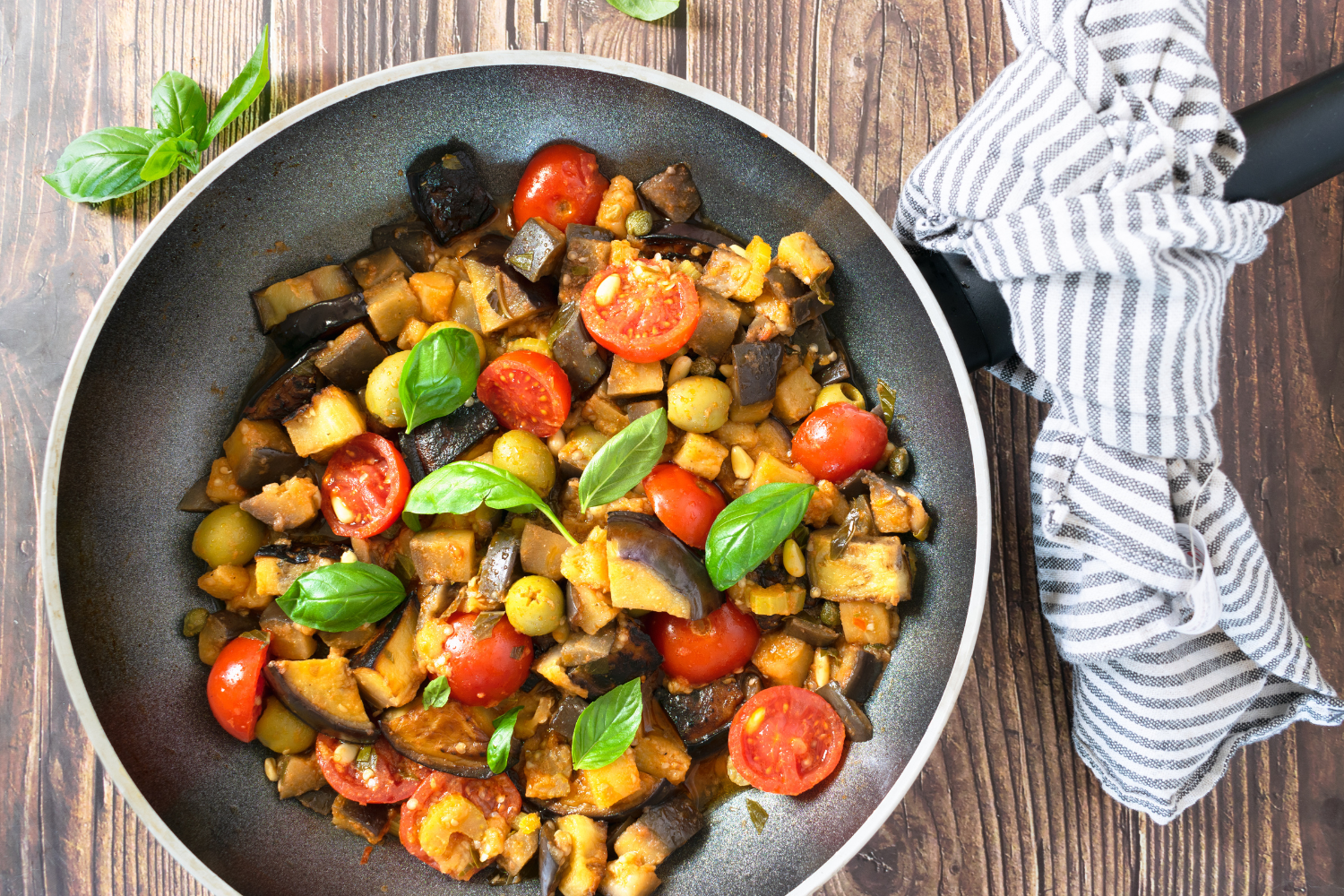
Mediterranean Diet Recipes
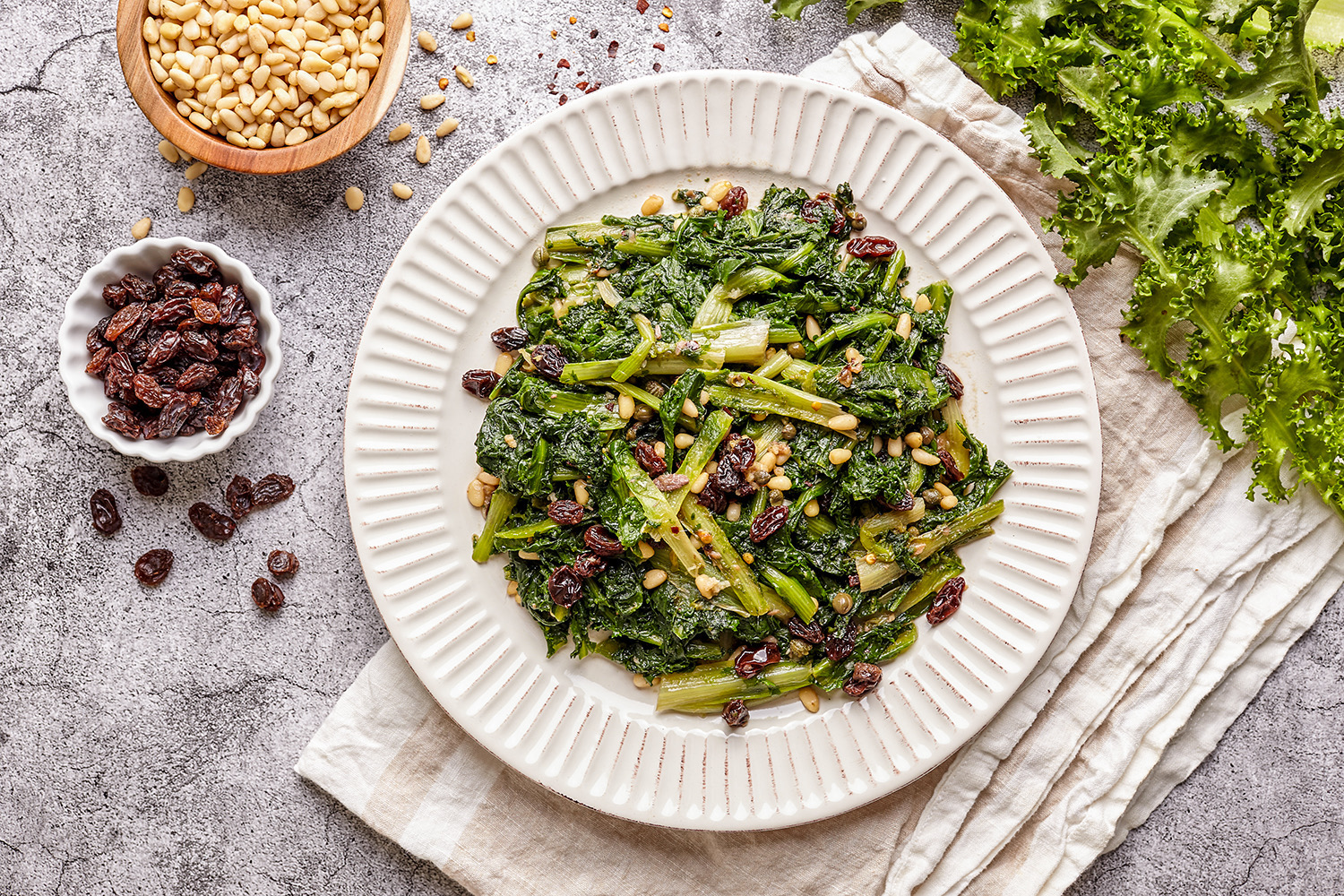
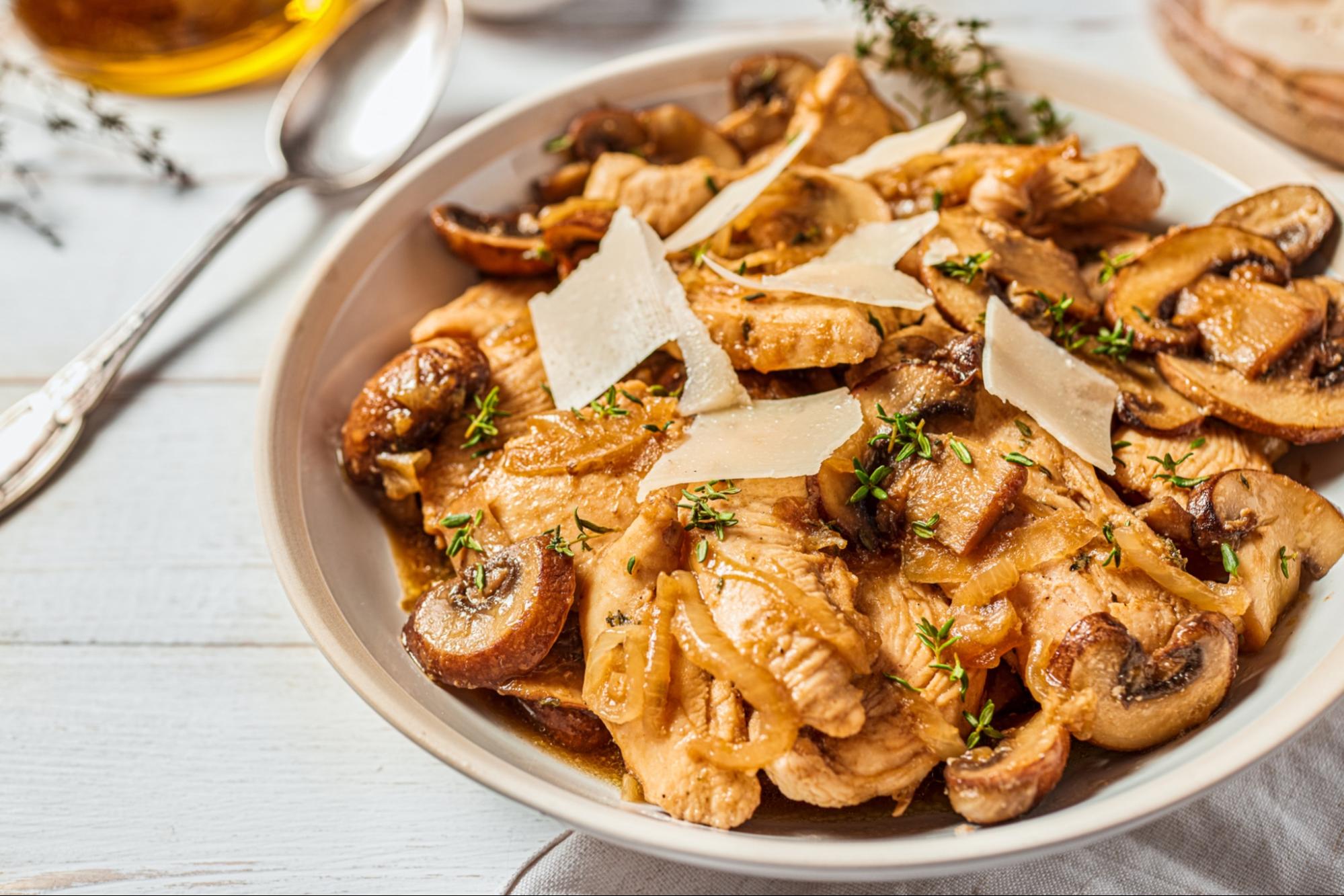
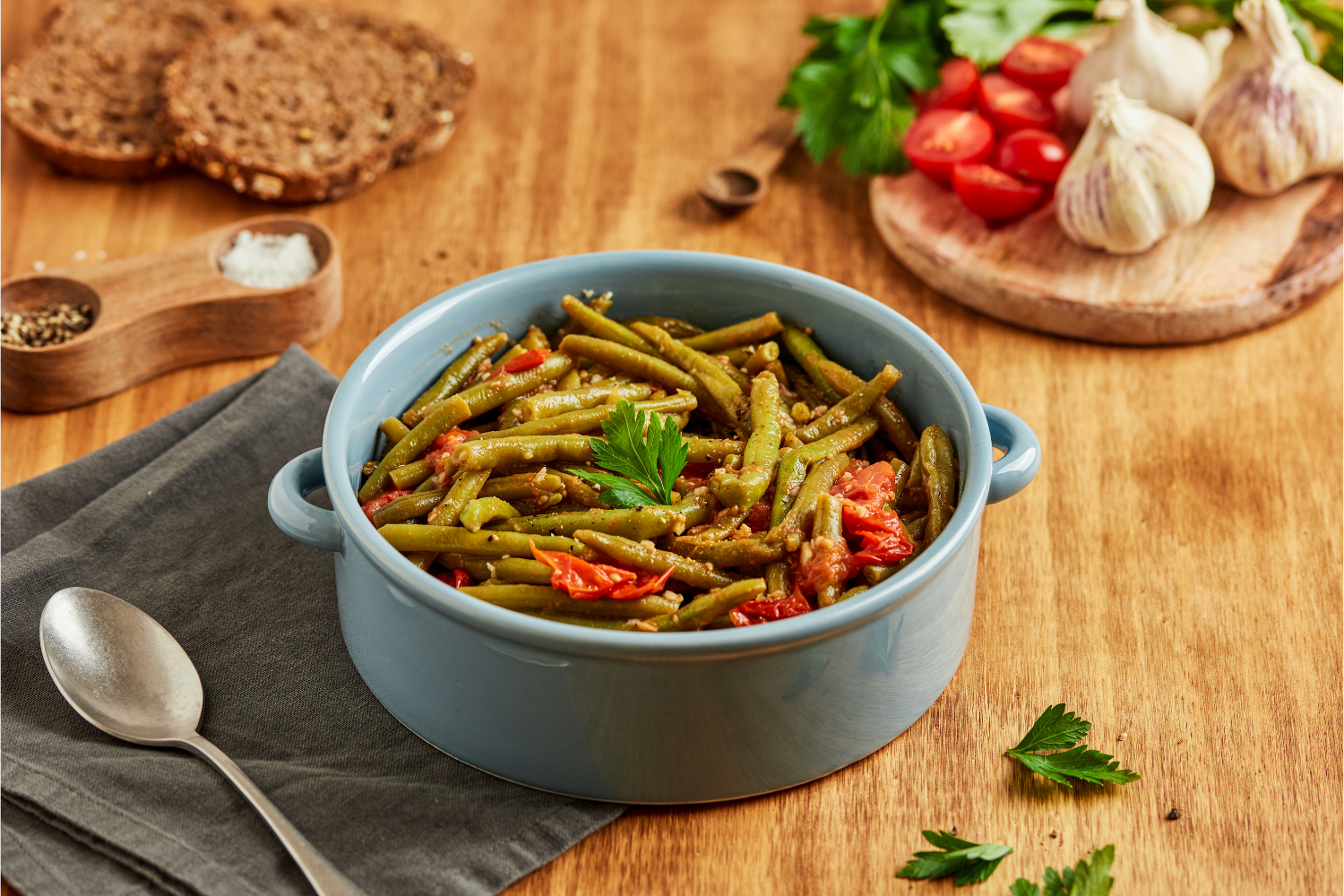
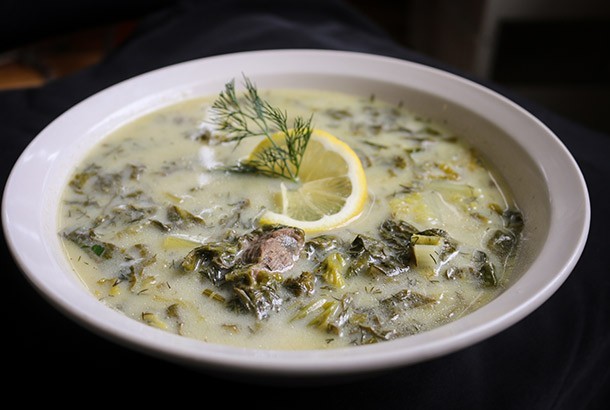
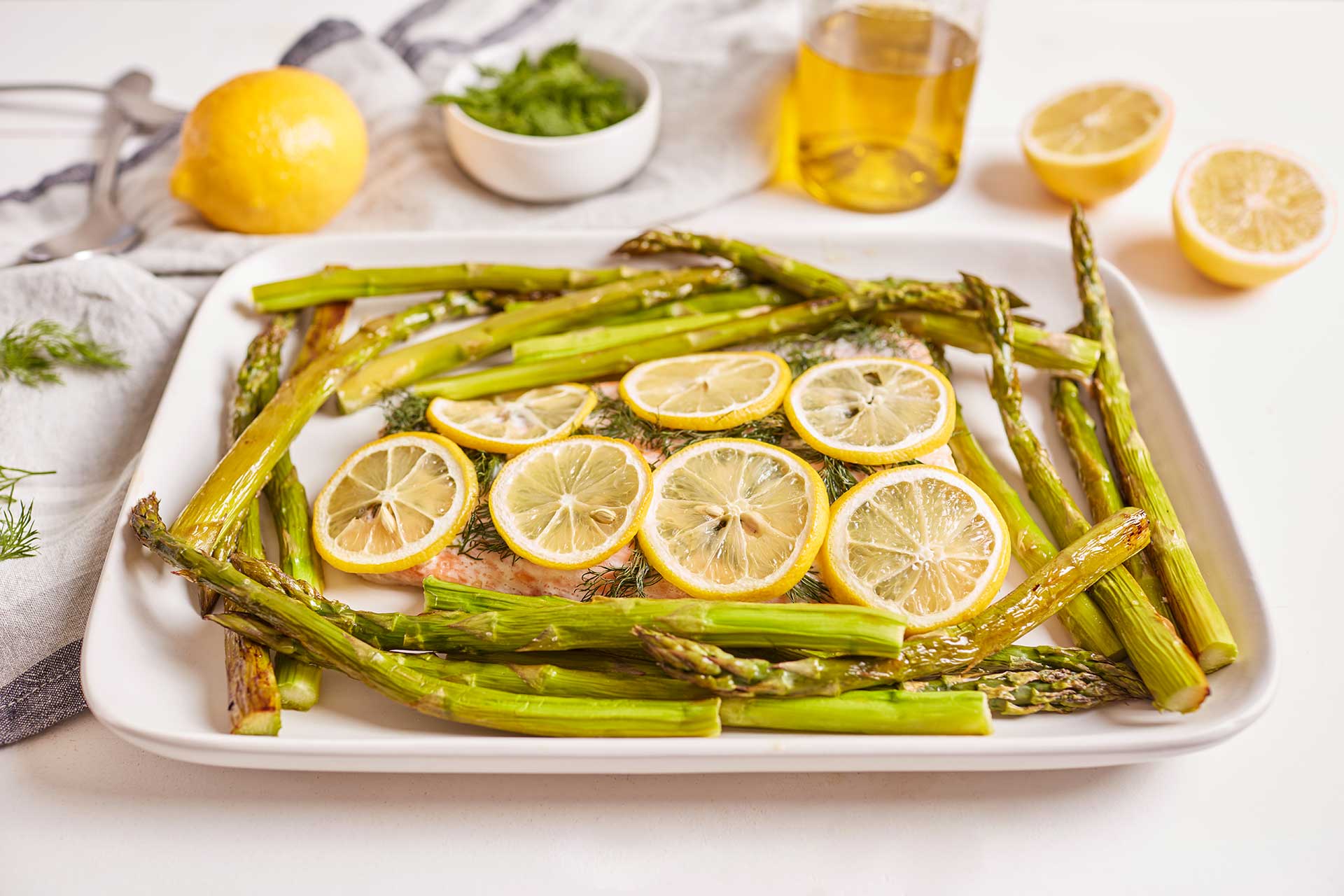
Begin Your Mediterranean Diet Journey Today
With our FREE ebooks and online programs, you’ll learn everything you need to start eating and living the Mediterranean lifestyle.
The Classic Cookbook that Started it All!
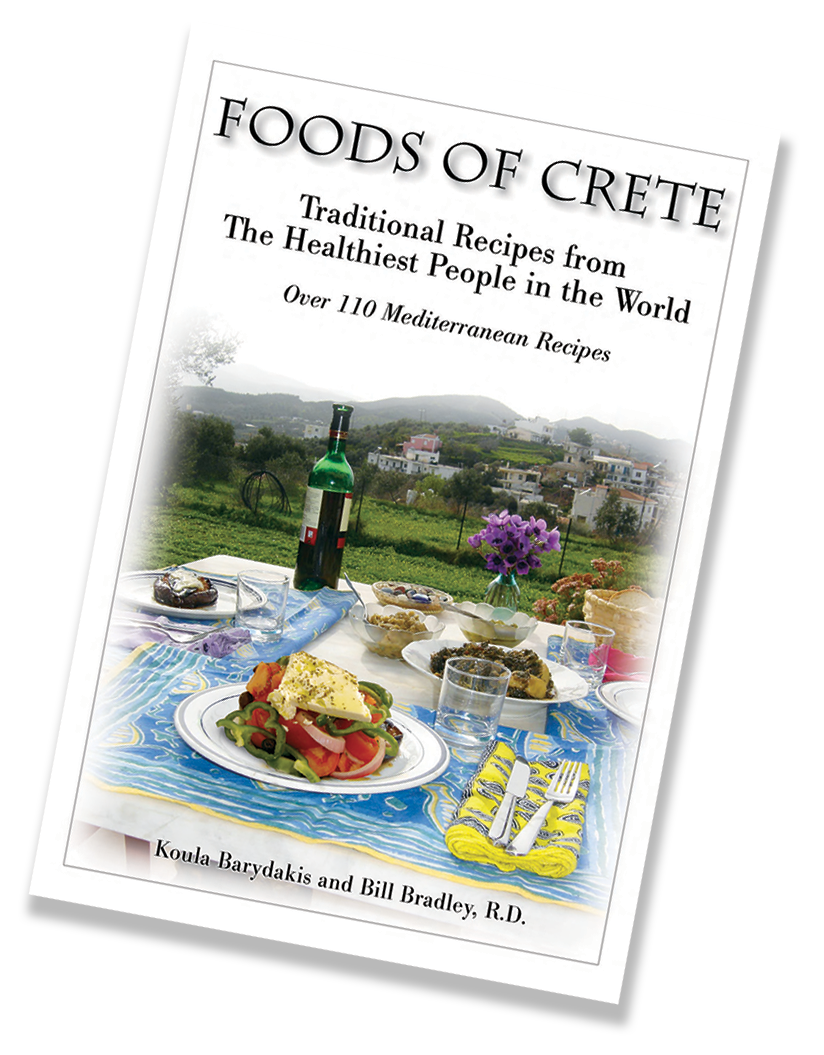
Foods of Crete: Traditional Recipes from the Healthiest People in the World
by Koula Barydakis and Bill Bradley, R.D., L.D.N.
112 traditional recipes from the Island of Crete with the lowest rates of heart disease and highest longevity rates in the world. These recipes are simple and incredibly tasty!

Recent Mediterranean Diet Articles
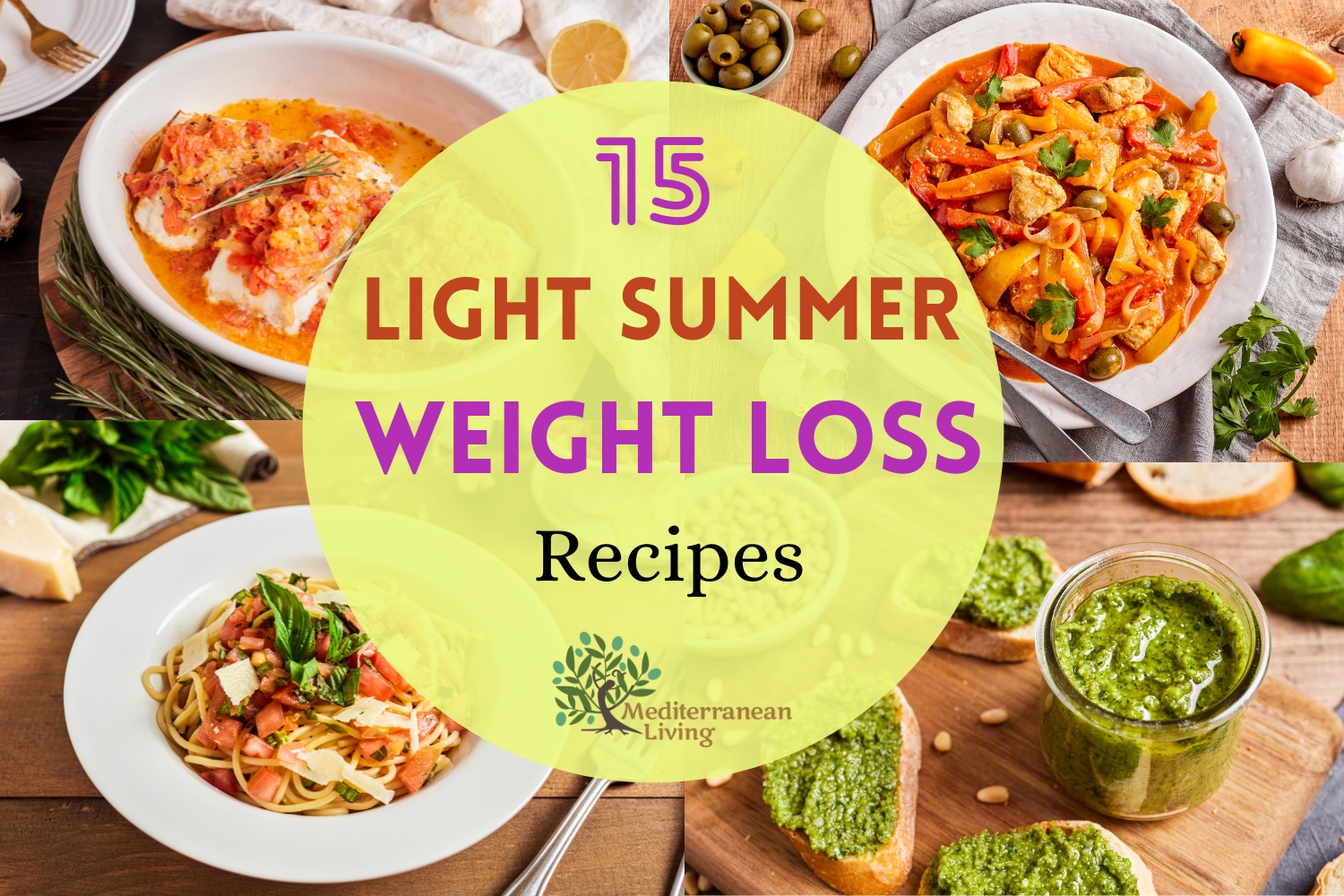
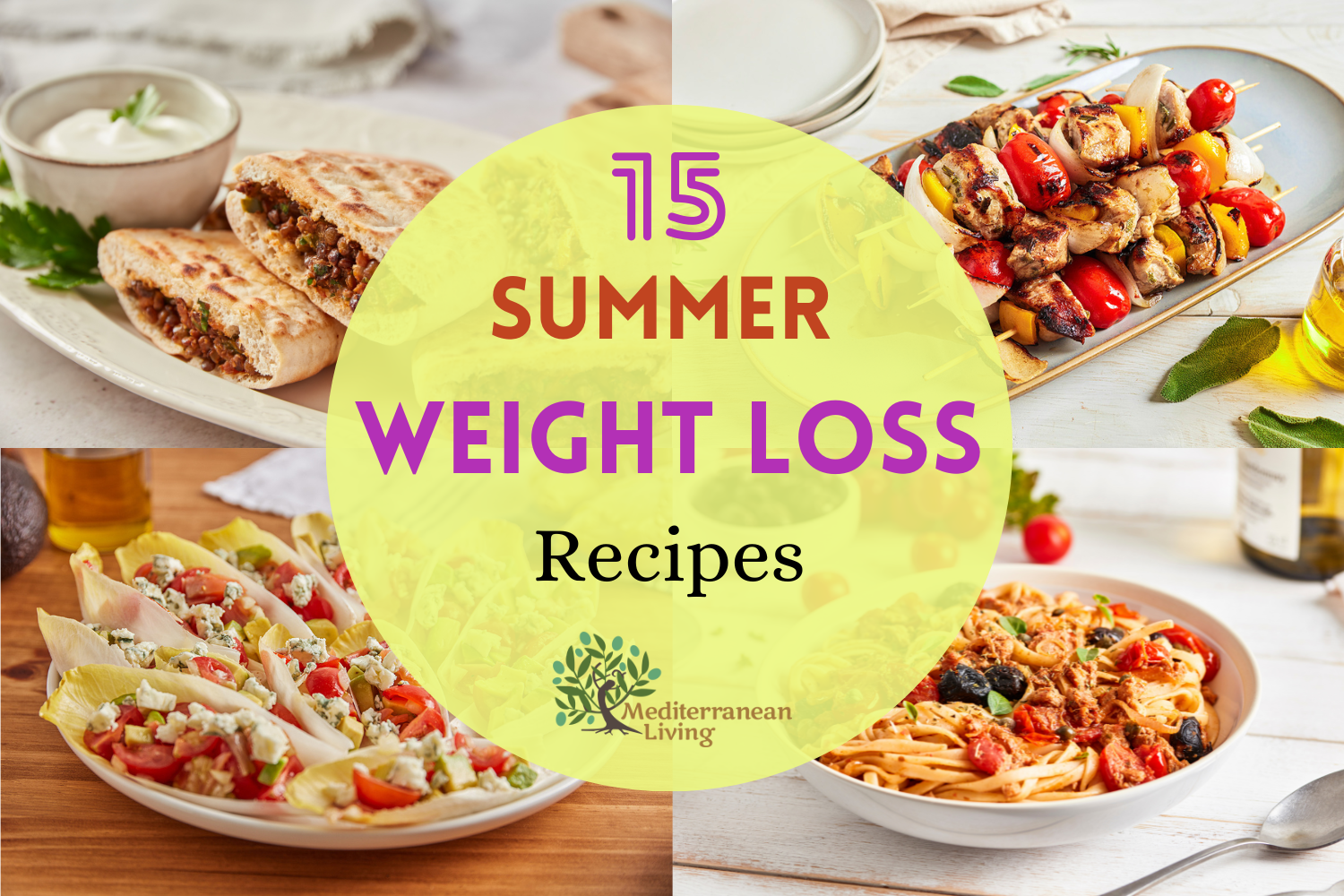
The Mediterranean Guidelines
The Mediterranean lifestyle is simple to follow:
Eat well, eat fresh, live with purpose, enjoy friends and family, and move your body!
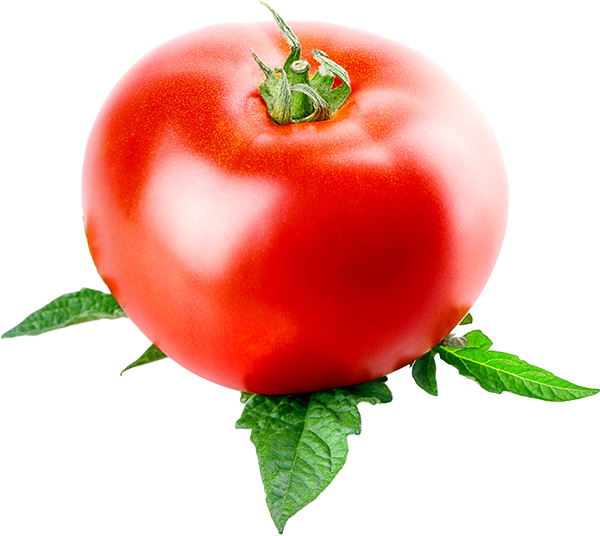
Plant Based
The average American eats 2 ½ servings of fruits & vegetables per day. The average person in the Mediterranean eats 9 to 12 servings.
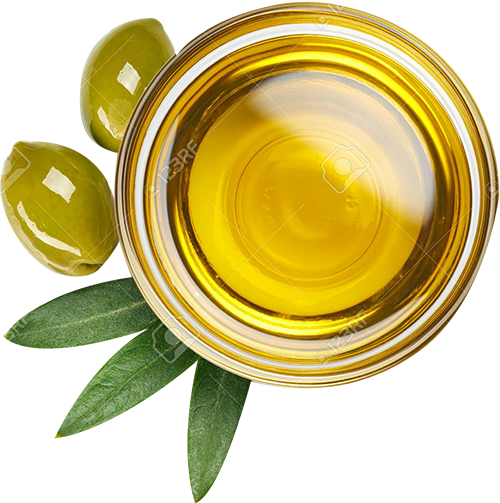
Healthy Fats
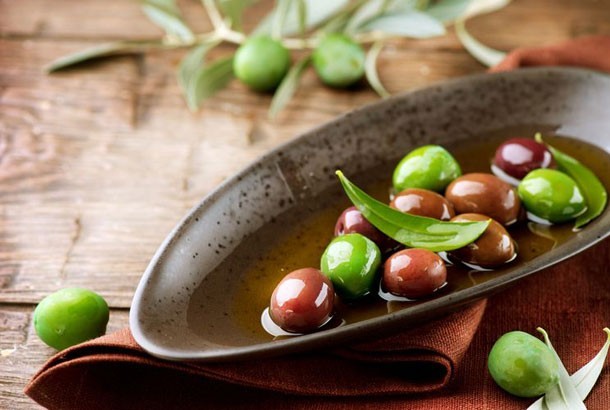
The Mediterranean Diet is high in fat, mostly from extra virgin olive oil. Eat up to 40% of your daily calories from fat.
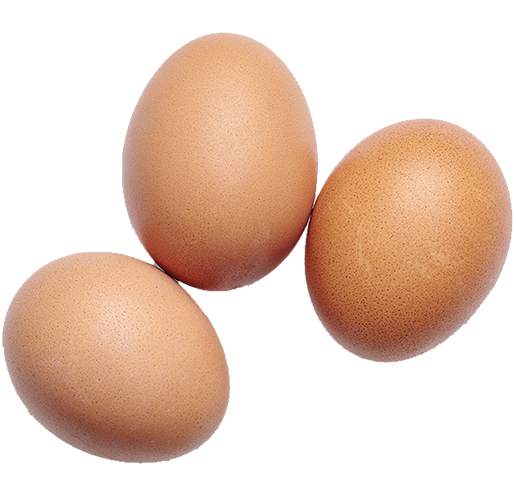
Super Foods
The Mediterranean Diet is high in anti-inflammatory omega-3’s and anti-oxidants.
Everything you need to start eating and living the Mediterranean Way
“Bill Bradley’s Mediterranean Way program is a path to more excitement in meals by way of easy, interesting and delicious recipes as well as a focus on the building blocks of Mediterranean Diet and Lifestyle. Bill’s gentle and insightful guidance is the friendly hand leading the way. I go back and back to Bill’s guidance and am happy to have found this path toward delicious health.”
— Mary Ellen Sanger, Mediterranean Way participant
A Mediterranean Diet Program Designed for Weight Loss
“My partner and I participated in the Mediterranean Diet Weight Loss Program during the summer and followed it pretty closely. We both took off ten pounds and learned a new way of eating. Now, nearly 4 months later, the weight has stayed off and we’re eating a much more healthy diet with less meat and more veggies. The concept of cooking an evening meal and having the other servings for lunch the next day has worked marvelously. The weekly planning and shopping has been a great takeaway. “
— Kate D., program participant